Basic Life Support(BLS)
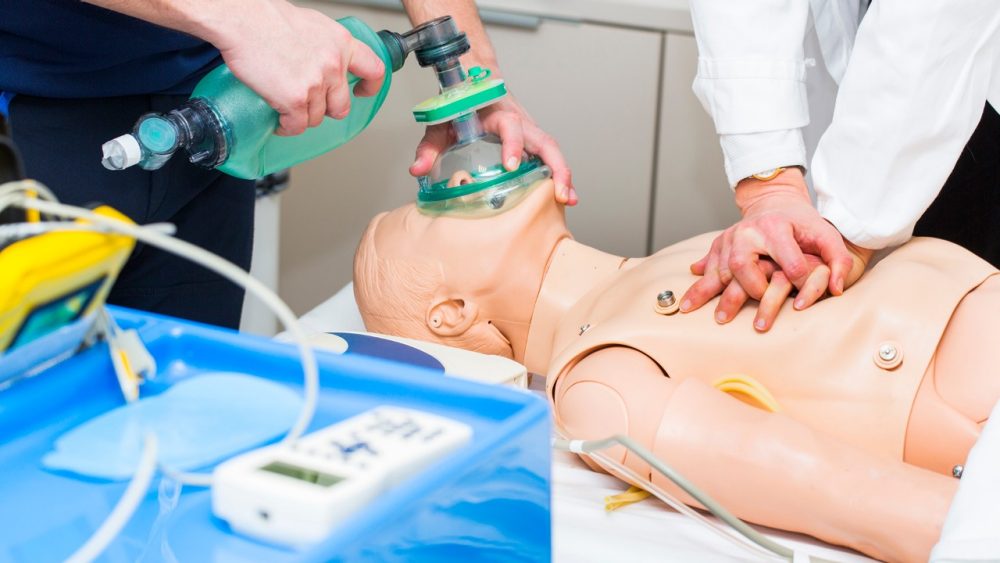
Basic Life Support (BLS) is a set of procedures performed on individuals experiencing a life-threatening medical emergency. BLS aims to maintain circulation and breathing until the patient can receive advanced medical care. The steps of BLS include assessing the patient's responsiveness, activating the emergency medical services (EMS), and initiating chest compressions and rescue breathing. Chest compressions are the most critical aspect of BLS and involve pressing down firmly on the center of the chest to circulate blood and oxygen throughout the body. Rescue breathing involves opening the patient's airway and delivering two breaths into their mouth or nose. In cardiac arrest cases, BLS also involves the use of automated external defibrillators (AEDs) to restore the heart's normal rhythm. BLS training is essential for anyone who may need to provide emergency care, and certification is valid for two years. Overall, BLS is a critical component of emergency medical care, and it is essential for individuals to remain current in their certification to ensure preparedness in emergency situations.